A One-Scene Rewatch for Spotting the Cut
A one-scene rewatch for spotting the cut reveals how eyelines, movement and sound guide attention, so editing choices become easier to recognise.
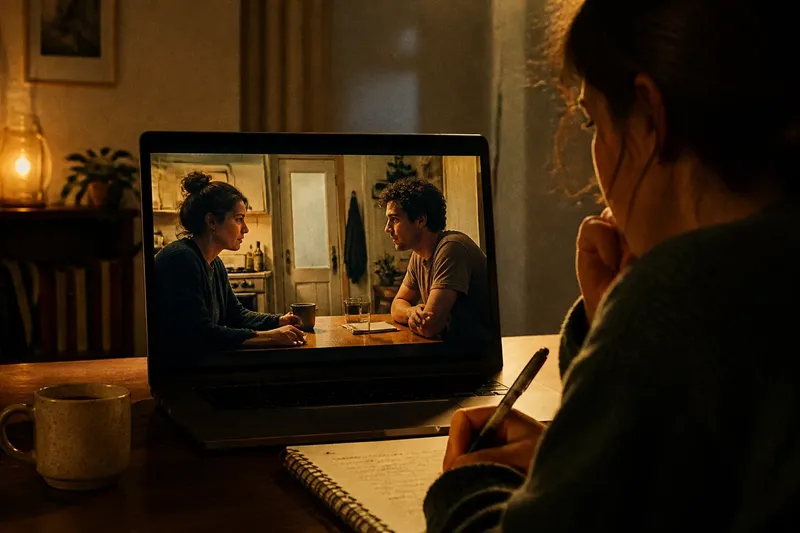
Choose a scene you already know, pause before it begins, and watch it again with one question in mind: what changes at each cut? A one-scene rewatch for spotting the cut turns a familiar moment into a small lesson in editing. Instead of following the plot alone, you can notice where the film places your attention, how one shot leads into another, and when the scene decides to move on.
You do not need editing software or specialist vocabulary. A television, laptop or phone with pause and rewind is enough; a notebook can help, but a few remembered details will do. Pick a scene with several changes of shot and a clear interaction between people, such as a conversation, an arrival or a decision. Avoid a passage you find emotionally difficult to revisit.
What counts as a cut?
A cut is the transition from one image to another in a finished film. It may take place between two different views of the same moment, or between shots that move the story to another place or time. In either case, the cut is an editorial choice: it determines which view you receive next and when you receive it.
For this exercise, you do not have to identify every editing technique by name. First register a simple fact: the image changed. Then ask what the new shot lets you see, and whether it continues the same action, shifts your attention or advances the scene. That distinction keeps observation separate from interpretation.
A cut may be easy to spot because the camera angle or distance changes. It can also feel almost invisible when the action flows smoothly across the join. Neither quality tells you by itself whether the edit is effective; the useful question is what the change contributes to the moment.
How should you watch the scene the first time?
Watch the scene once without pausing. Follow the story as you normally would: notice who wants what, what gets in the way and what seems different by the end. The point is to establish your ordinary experience of the scene before you begin examining its construction.
At the end, name the moment that felt like the scene’s turning point. It might be a character’s reply, a look towards something outside the frame or a change in the room’s mood. This gives you a reason to return to the scene rather than treating every cut as equally significant.
Now replay it, pausing only after a change of shot. If your player offers frame-by-frame movement, you can use it when a change happens quickly; otherwise, ordinary pause and rewind are sufficient. Try not to stop after every few seconds. Let each shot play long enough for you to register what the people in it are doing.
What changes from shot to shot?
Begin with eyeline: the direction a character appears to look. If a person looks towards the edge of the frame and the next shot shows another person or object in that direction, the edit connects the two views. The second shot gives the look a destination, even if the film has not explained why that destination matters yet.
Next, follow movement across the cut. Does a character begin standing in one shot and finish rising in the next? Does a hand reach towards a glass before the edit, with the glass taken up afterwards? These connections can make separate camera views feel like one continuous action. Notice, too, whether movement seems to pause, repeat or change direction: the edit may be emphasising a hesitation rather than smoothing it away.
Then compare the space. A new shot may bring you closer to a face, show the listener instead of the speaker, or reveal more of the room. Ask what information has entered the frame and what has left it. A close view can make a small facial change prominent; a wider view can make distance, posture or another person’s presence easier to read.
Finally, listen across the cut. Dialogue, room tone, music or a small sound can continue while the image changes. Sound that carries over can link two views, while a sudden change in what you hear may make the new shot feel like a stronger break. Keep your attention on the relationship: what stays continuous, and what changes with the picture?
How do eyelines and action guide attention?
When two characters speak, the film does not have to show both at once. It can show the speaker, cut to the listener, then return to the speaker. The listener’s face may reveal a reaction before the speaker notices it, or the shot may hold on the speaker long enough for you to weigh the words. The edit shapes which response reaches you first.
Try tracking not just who looks where, but when the film gives you the view they seem to be looking at. If the cut arrives immediately after a glance, the connection may feel direct. If the film waits, the delay can make the glance feel less certain or leave you attending to the person who looked. Those are different effects created by the timing and order of shots.
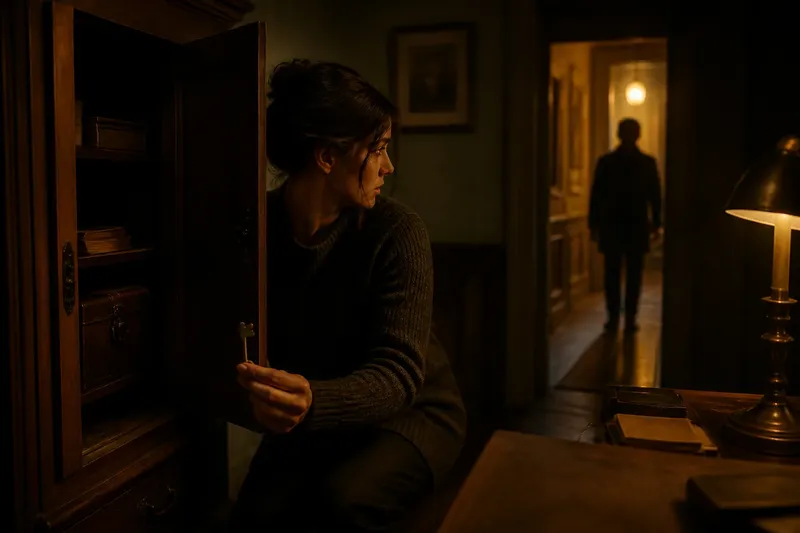
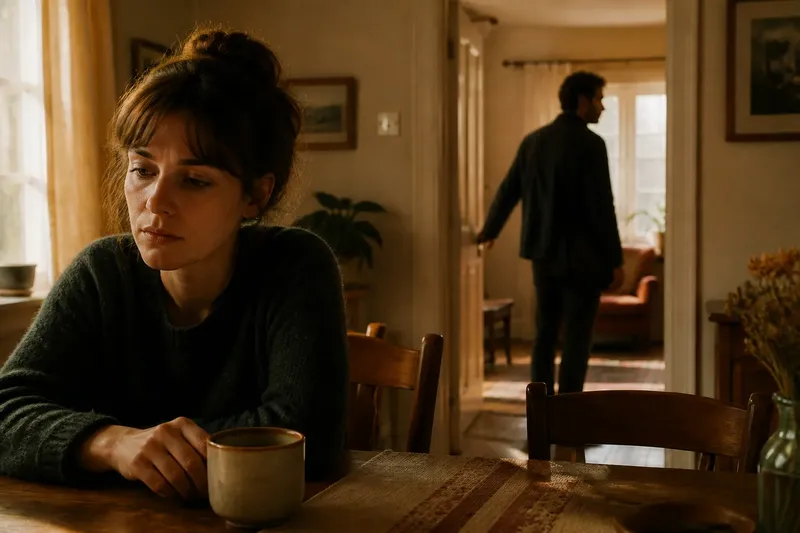
Imagine a made-up scene in which a person at a kitchen table looks towards a closed door while speaking to a friend. The film cuts to the door only after the friend stops answering, then returns to the person, who has turned back. You would be able to observe that the door receives attention after the pause, while the delayed view makes the silence in the conversation part of the moment. That reading is an interpretation, not a hidden rule; the scene’s other details may lead you elsewhere.
Use the same care with action. A cut can connect a movement begun in one view to its completion in another, but the sequence may also omit part of the movement. Ask whether the gap feels like ordinary continuity, a deliberate skip or simply a change of emphasis. You are not trying to catch the film out; you are noticing how it parcels out the action.
When does a scene move on?
A scene’s exit is not always a cut to a new location. The film may stay with a character after the conversation seems finished, leave as soon as a decision is made, or shift away while an action is still under way. Rewind the last few shots and ask what event, look or sound appears to prompt the change.
Compare the last image of the scene with the first image that follows. Has time passed, has the point of attention shifted, or has the film simply changed its view of the same moment? A new setting can make a transition obvious, while a change within one place may require you to infer that the scene has ended. The edit does not always announce its boundary with a pause.
Also notice what the scene leaves unresolved. If a character looks towards someone who has not answered, the film might cut away before the reply. If a conversation has reached a decision, it might continue through the characters’ next actions. In both cases, the cut sets the point at which you stop watching this particular exchange and begin attending to what comes after.
What questions help you read a cut?
Why does the film cut to the listener?
It may be directing attention to a response, or giving you information the speaker cannot see. Compare the listener’s expression with the words and timing of the exchange before deciding which seems more relevant.
Does a cut always mark a new moment?
No. Two shots can show different views of the same continuous action. Check whether gestures, speech and background sound carry on without an apparent break.
What is a reaction shot?
A reaction shot shows a person responding to something that happened or was said, rather than showing the event itself. Its placement can make that response feel immediate, delayed or especially important to your reading of the scene.
How can I tell when the scene has ended?
Look for a change in place or time, but also listen for a shift in sound and watch for a change in who or what holds attention. Sometimes the scene’s boundary becomes clear only when the next shot gives you a new situation.
How can you keep observation separate from guesswork?
Use two mental columns: what the film shows, and what you think that choice suggests. “The camera cuts from the speaker to the listener as the sentence ends” is an observation. “The listener feels guilty” is an interpretation. The second may be persuasive, but it depends on expression, performance, story context and what happens next.
When a cut feels meaningful, rewind a little further rather than isolating the new shot. The preceding image may reveal why the change arrives at that moment: a glance, a sound, a movement or the completion of a line. Then replay the transition at normal speed. An edit’s effect often comes from its timing in the flow of the scene, not from the still images considered separately.
It can also help to compare your first viewing with your second. Perhaps you initially followed the speaker’s words, while the rewatch made you notice the listener’s face. That does not mean your first response was wrong. It shows that the same sequence can direct attention in more than one way, and that editing is one part of how a film organises what you see.
What should you notice on a final replay?
Watch the scene once more without pausing. This time, follow the pattern you have noticed: where the film cuts during speech, how it handles eyelines, whether movement continues across joins, and how long it stays before moving on. You may find that the scene feels different, even though its story has not changed.
Keep one observation for later: perhaps the film waits for a look before showing its destination, or cuts away just before a reply. A one-scene rewatch for spotting the cut works best as a small act of attention, not a hunt for a single correct meaning. The next time you watch a film, you can carry that observation into a different scene and see whether its editing asks you to look in another way.