The Myth That Silence Means Nothing
Film silence is rarely empty: learn how room tone, pauses and missing sounds direct attention and change the meaning of a quiet scene.
Film silence can make a quiet scene feel tense, intimate or suddenly exposed. When a character stops speaking and the soundtrack seems to fall away, the scene has not necessarily become empty: room tone, a held pause and the removal of an expected sound can all guide what you notice.
Is a quiet scene really silent?
Usually, “silence” describes a change in the soundscape rather than the absence of every sound. A film may retain a faint wash of air, distant traffic or the soft resonance of a room even after music and prominent effects disappear.
That underlying ambience is called room tone. It gives a space a continuous acoustic character, helping a kitchen sound different from a stairwell or an open field. If the ambience vanishes too, the sudden blankness can feel deliberate and conspicuous.
Listen for what remains rather than asking only whether you can hear anything. A refrigerator hum might keep an ordinary scene grounded; a barely audible wind may make an outdoor conversation feel exposed. The detail need not call attention to itself to shape the scene.
What does room tone make us notice?
Room tone establishes the world around the characters, so a change in it can alter how we read their behaviour. A steady background can make a pause seem comfortable, while a thin or unsettled ambience may make the same pause feel strained.
It can also make a space seem occupied even when nobody else is visible. The low murmur of a building, for instance, suggests life beyond the frame; removing it can make a character feel sealed off from that world. Sound gives the unseen setting a presence without showing it.
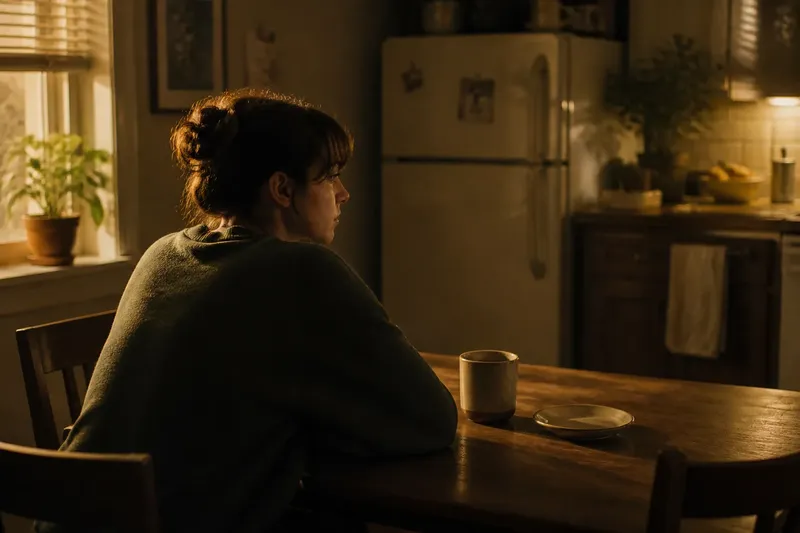
Imagine a character sitting alone at a kitchen table after an argument. If the soft refrigerator hum continues beneath a long look at an untouched cup, the room feels stubbornly ordinary; if that hum drops out at the look, attention may shift from the kitchen to the character’s isolation. Neither choice dictates one correct interpretation, but each offers a different cue.
Why can a pause feel louder than dialogue?
A pause gives the viewer time to register what a character does not say. When dialogue stops, small sounds such as a breath, a chair shifting or a swallowed word can become more noticeable because they occupy space that speech had filled.
The length of the pause matters, but so does what happens inside it. A character who looks away may seem to be avoiding a response; one who keeps eye contact may appear to be waiting for the other person to understand. The soundtrack can support that reading by staying steady, drawing closer to a breath or thinning into near-silence.
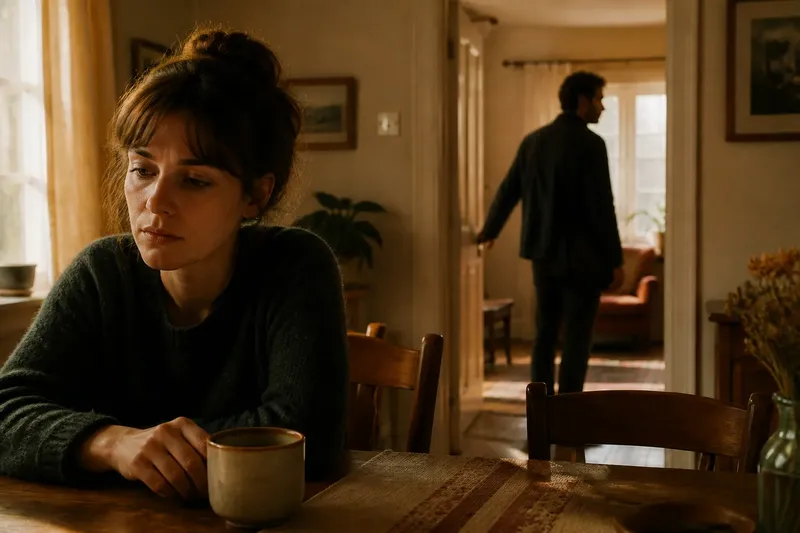
A pause is not automatically suspenseful. In a warm exchange, quiet can make room for affection or relief. In an argument, the same gap may feel like a challenge, particularly if one person waits for the other to speak first.
What changes when an expected sound disappears?
Removing a familiar or anticipated sound can direct attention to its absence. If a door closes but its usual heavy thud is missing, the softened event may feel unreal, distant or emotionally muted. The viewer may not consciously name the missing effect, yet the scene can seem altered.
Silence can also interrupt an established pattern. If footsteps have accompanied a character through a corridor and then stop before the character does, the gap invites a question: have they frozen, become attentive, or been cut off from the space? The absence becomes a cue because the sound had given the scene a rhythm.
That effect depends on what the film has already taught the viewer to expect. A sound that has never mattered may be missed by no one; one repeated across a scene can acquire weight. Listen for the contrast between the sound before the gap and the detail that takes its place.
How can you tell what a quiet scene is doing?
Start by identifying the layer that changes: speech, music, ambience or a particular effect. Then notice what enters the foreground. A scene that loses music but keeps room tone works differently from one that removes both and leaves a single breath.
- Notice the last sound before the quiet begins. Was it part of the room, an action or the score?
- Listen for the background that remains, including hum, wind, distant voices or traffic.
- Watch what a character does during the pause: hold a gaze, shift posture, turn away or wait.
- Ask whether a familiar sound has stopped, rather than assuming the whole soundtrack has vanished.
- Observe what returns first. A voice, an ambience or a musical note can each redirect attention differently.
These questions are useful because they connect sound to visible behaviour without treating either as a code with one fixed answer. A breath may signal fear in one scene and a calm decision in another; its timing and the surrounding sounds help shape the impression.
Does silence mean the same thing in every scene?
No. Quiet takes its meaning from the scene’s relationships, setting and sound pattern. A pause between people who trust each other may feel easy, while a pause between strangers in a confined room may seem uncomfortable even if the soundtrack is identical.
Context also changes how room tone reads. A steady air-conditioning hum might feel neutral during a routine conversation, then become oppressive once a character notices the locked door. The sound itself has not changed, but the viewer’s attention has.
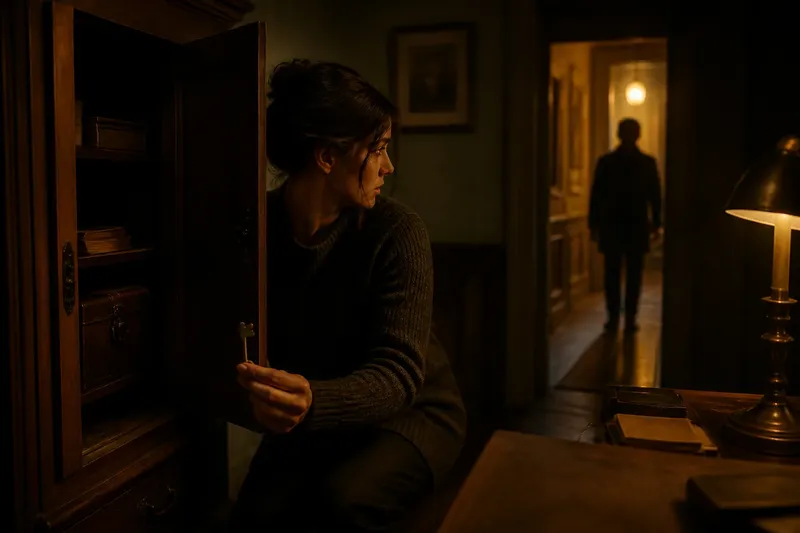
Genre can shape expectation, too. A quiet stretch in a thriller may invite watchfulness because the viewer anticipates a disturbance. In a family drama, the same reduction in sound might keep the focus on a difficult expression rather than promise a sudden event.
What should you listen for on a second viewing?
Choose one quiet passage and listen for its transitions rather than trying to interpret every sound at once. Note whether ambience continues beneath the pause, whether a small bodily sound becomes prominent, and what returns when the silence ends.
Then compare those cues with the characters’ actions. If a room’s hum persists while someone avoids answering, the scene may keep the ordinary world present around a private hesitation. If the ambience drops at the moment of refusal, the change may make that choice feel isolated or decisive.
The most useful way to hear film silence is to treat it as arranged attention. Room tone tells you what remains around a character, pauses make space for behaviour, and missing sounds disturb expectations. Once you notice those choices, a quiet scene can reveal as much through what it withholds as through what it plays.